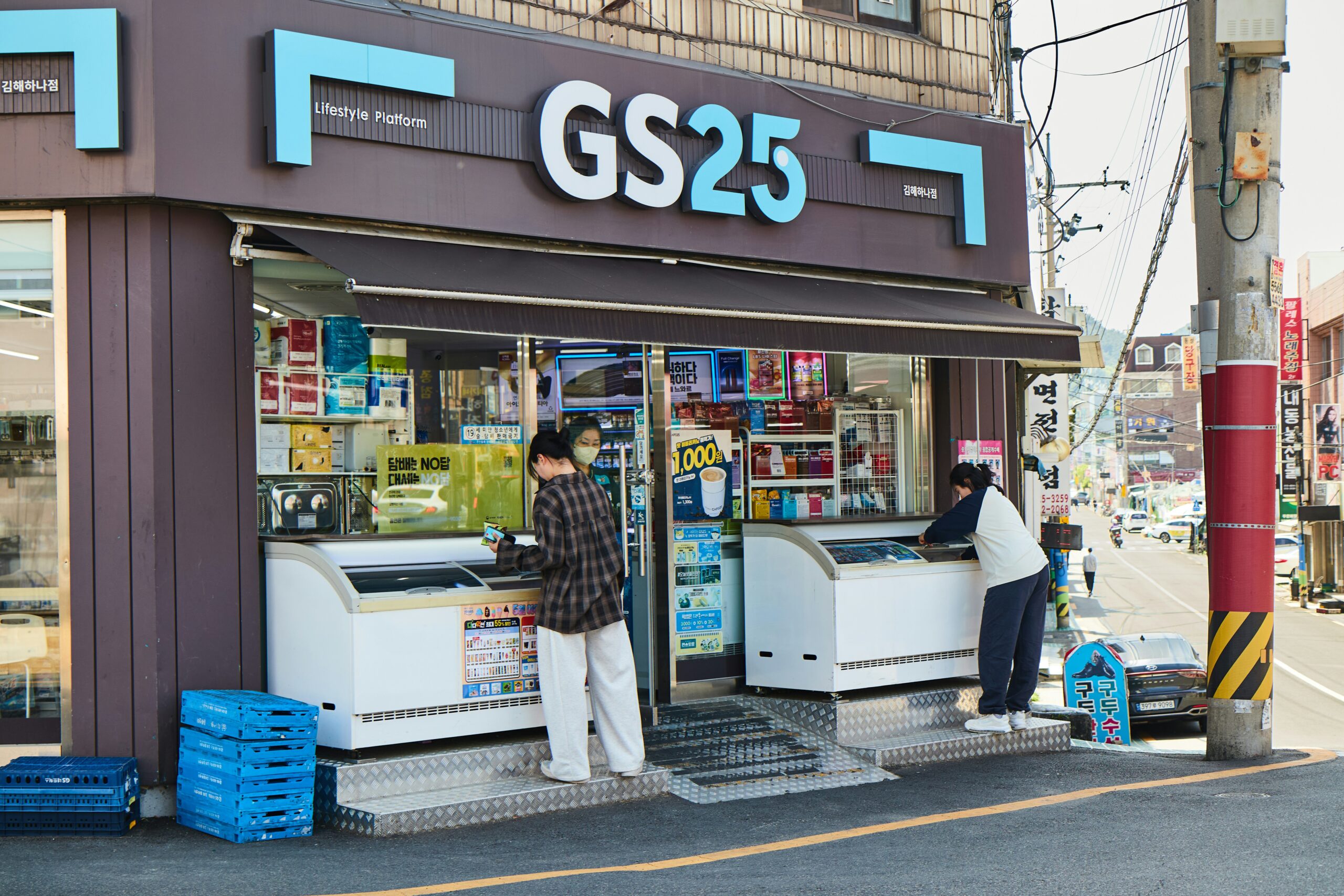
The retail industry in Asia-Pacific is one of the fastest-growing markets in the world. The APAC retail sector is projected to surpass $11 trillion by 2025, fueled by rising middle-class incomes, rapid urbanization, and the explosive growth of e-commerce across markets like Indonesia, China, and India. Across the region, retail is growing at a compound annual rate of around 5–7%, making it a critical driver of the broader economy.
But growth also means fiercer competition. Today’s retailers are navigating price wars, fragmented customer journeys, rising operational costs, and a consumer base that expects more than ever, faster delivery, personalized recommendations, and seamless experiences across every channel. Standing out is no longer just about having the right products on the shelf.
That’s exactly why retailers across the region are turning to retail AI as a practical tool that delivers measurable business results today. As AI enables retailers to connect fragmented data points across operations and customer behavior, the outcome is clearer demand forecasting, reduced excess inventory, optimized supply chains, and customer experiences that feel genuinely personal at scale.
Table of Contents
ToggleWhat Is Retail AI?
Retail AI refers to the application of artificial intelligence technologies, including machine learning, computer vision, natural language processing, and predictive analytics to retail operations and customer experiences.
In practice, it covers a wide range of use cases from recommendation engines that suggest the right product to the right customer, to back-end systems that automate inventory replenishment and detect fraudulent transactions in real time.
Why Do Retail Businesses Need Retail AI Now?
With competition intensifying and consumer expectations rising, two things have become non-negotiable for retailers: efficiency and personalization. Retail AI bridges the gap between what customers expect and what retailers can realistically deliver.
Here’s what retail AI enables:
- Smarter inventory management to reducing costly overstock and stockouts
- Hyper-personalized experiences to tailored recommendations, offers, and journeys for each customer
- Operational cost reduction to automating repetitive tasks across the supply chain
- More accurate demand forecasting, so retailers can prepare more proactively
- Faster, always-on customer support through AI chatbots and virtual assistants
- Stronger fraud prevention real-time detection across transactions and returns
- Data-driven pricing dynamic adjustments that protect margins while staying competitive
Retail AI Trends in 2026
AI adoption in retail is accelerating, and the most competitive retailers are already putting these capabilities to work. Here are the key retail AI trends defining the industry this year:
1. AI Shopping Assistants
Think of these as a personal stylist embedded in your app or website. AI shopping assistants understand customer preferences through conversation, ask clarifying questions, and guide shoppers toward the right product. They significantly increase conversion by reducing friction and decision fatigue.
2. Personalized Customer Experience
Modern retail AI goes far beyond “you might also like.” By analyzing browsing behavior, purchase history, and real-time intent signals, AI delivers a tailored experience across the full customer journey from the homepage through checkout.
3. AI Chatbots and Voice Commerce
AI chatbots handle customer queries around the clock, cutting service costs while improving response times. Meanwhile, voice commerce integrations allow customers to browse and buy through voice assistants, a channel that’s growing fast, particularly in mobile-first markets.
4. Computer Vision for Image Recognition
Computer vision powers visual search (customers upload a photo to find similar products), automated shelf monitoring, and in-store behavior tracking. It eliminates the need for manual audits and gives retailers granular, real-time visibility into what’s happening in-store.
5. AI Inventory Management
AI continuously monitors stock levels, supplier lead times, and sales velocity to automatically trigger reorders or flag surplus inventory. The result, fewer stockouts, less dead inventory, and meaningfully lower carrying costs often within weeks of deployment.
6. AI Demand Forecasting
AI algorithms can predict future demand based on historical data, market trends, and other factors. This helps retailers optimize inventory levels and avoid stockouts or overstocking.
7. AI Retail Dynamic Pricing
Dynamic pricing uses AI to adjust product prices in real time based on demand, competitor pricing, inventory levels, and customer segments. It helps retailers remain competitive during peak demand while protecting margins during slower periods.
8. AI for Fraud Detection
AI can identify and prevent fraudulent transactions, protecting retailers and customers from financial losses. This involves using machine learning to detect suspicious patterns and flag potentially fraudulent activities.
9. AI-Enhanced Omnichannel Customer Experience
AI can create seamless and consistent customer experiences across all channels, from online to in-store. This involves integrating data from different sources and using AI to personalize interactions.
10. Generative AI for Retail Generative
AI is being used to create product descriptions at scale, generate personalized marketing content, assist in visual merchandising planning, and even support product design ideation — dramatically compressing content production timelines.
11. AI Virtual Try-On
Combining augmented reality with AI, virtual try-on lets customers see how clothing, eyewear, makeup, or furniture will look before purchasing. It reduces return rates and gives customers the confidence to buy, especially important in categories that traditionally rely on physical interaction.
12. AI Recommendation Engines
Recommendation engines analyze individual behavior and compare it against similar customer profiles to surface the most relevant products at the right moment. Done well, they increase average basket size, boost repeat purchase rates, and reduce churn.
How to Use Retail AI Effectively
Adopting retail AI isn’t just about plugging in a tool and expecting results. Getting lasting value requires the right approach from day one.
1. Breaking Down Data Silos and Keeping Data Clean
The effectiveness of any AI system starts with the quality of the data behind it. Retailers must eliminate barriers between departments so that data flows freely, stays accurate, and remains usable across the entire organization. In fact, inconsistent or fragmented data remains the leading cause of AI initiatives underperforming.
2. Prioritize High-Impact Use Cases First
Instead of trying to overhaul everything at once, retailers are better off identifying specific, lower-complexity areas where AI can show clear results quickly. Whether that’s demand forecasting, deploying a chatbot, or introducing dynamic pricing. Seeing measurable ROI within months, rather than years, helps build the internal buy-in needed to scale AI further.
3. Keeping People at the Center of AI Decisions
AI is a powerful tool for enhancing how people work, not a replacement for human judgment. The most successful retail AI implementations maintain human oversight on decisions that involve nuance, customer empathy, or ethical considerations. Equipping teams with the skills to work alongside AI is just as critical as the technology deployment itself.
4. Building AI That Customers Can Trust
People are paying closer attention to how businesses collect and use their personal data. Retailers have a responsibility to be open about how AI influences decisions, ensure their systems don’t introduce bias, and operate within applicable data protection regulations.
5. Start with Specific Business Problem
Define the specific business challenge you’re solving first. Reducing cart abandonment, improving forecast accuracy, or cutting fraud losses? Then select the right AI solution around that problem.
6. Build for Scale from the Start
AI solutions need robust infrastructure to perform at scale. Cloud-native architectures, real-time data pipelines, and API-ready systems ensure your retail AI investments can grow with your business.
Transform Your Retail Business with GITS.ID
At GITS.ID, we help retail businesses put AI in one-size-fits-all solutions,with systems tailored to your specific operations, goals, and customer base.
With deep experience supporting retail businesses through digital transformation, we go beyond just deploying technology. We help you identify which AI solutions genuinely fit your business needs, design implementation roadmaps that prioritize real ROI, and build scalable systems that grow alongside your business.