Japan’s success in waste reduction didn’t happen overnight. Rooted in the cultural philosophy of Mottainai, a deep sense of regret over waste Japan has built one of the world’s most disciplined waste management systems. Since 2000, the country has cut food waste by 53%, becoming the only nation to achieve SDG Target 12.3, which aims to halve food waste. Today, Japan is raising the bar further with a 60% reduction target for the business sector.
This achievement was driven by strong government coordination, private-sector innovation, and a citizenry that genuinely believes nothing should go to waste. But for FMCG (Fast-Moving Consumer Goods) companies operating in Japan’s demanding market, translating that cultural value into operational practice is a real challenge. So how exactly should FMCG businesses manage waste and reduce it effectively?
Table of Contents
ToggleWhat Is FMCG?
FMCG stands for Fast-Moving Consumer Goods. Products that sell quickly, have a short shelf life, and are purchased frequently. Think food and beverages, personal care products, household cleaning supplies, and over-the-counter medications.
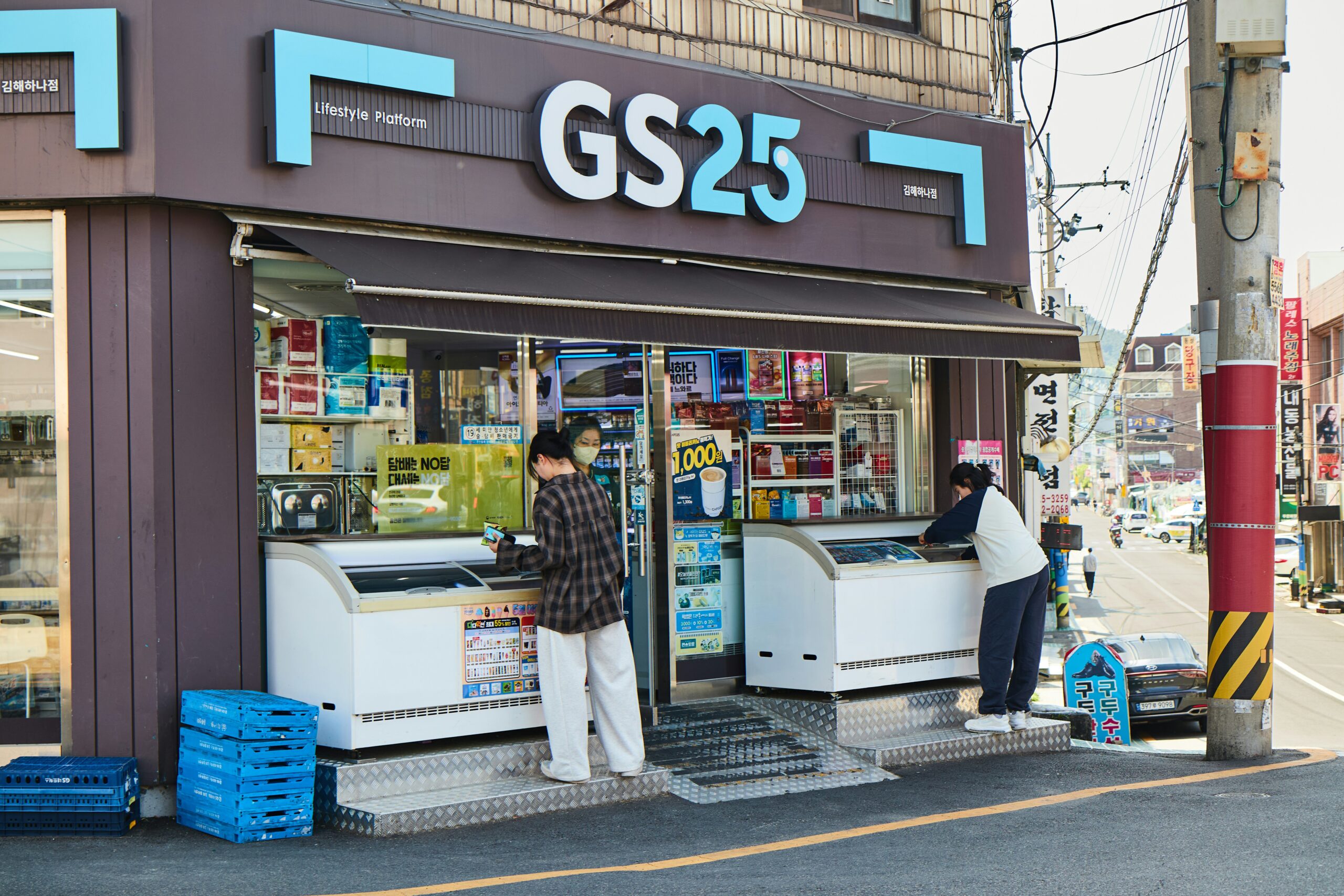
Japan’s FMCG industry is one of the largest in Asia. The country’s retail and consumer goods sector generates hundreds of billions of dollars annually, with convenience stores (konbini) alone accounting for a massive share of daily FMCG transactions. With over 55,000 convenience store outlets nationwide and a consumer base that expects fresh, available products at all times, the pressure on FMCG supply chains is immense.
Japan’s FMCG Waste Reduction Targets
The Japanese government has set aggressive national targets. Beyond the 60% reduction goal in the business sector, Japan’s Ministry of the Environment reported that total municipal waste generation fell 13.7% between fiscal 2015 and fiscal 2024, dropping to 38.1 million tons. Per capita daily waste also declined down 100 grams over the same period to 839 grams per person.
For FMCG companies specifically, the government enforces mandatory food waste reporting, making it one of the few industries with legally binding accountability for waste output. This means waste management being a compliance requirement.
Waste Management in FMCG: What It Really Means
Waste management in the FMCG context goes beyond putting things in the right bin. It refers to the systematic approach to identifying, reducing, handling, and disposing of waste generated across the supply chain. That from manufacturing and packaging to distribution and retail.
In FMCG logistics, waste takes many forms: expired or unsold inventory, damaged packaging, excess transport runs, overstocked warehouses, and inefficient picking processes. Effective waste management addresses all of these, and its role in waste reduction is foundational.
Best Solutions for Waste Management in FMCG
3R : Reduce, Reuse, Recyle
The 3R framework is the global standard for handling physical waste. In FMCG, it’s particularly relevant for packaging materials, defective products, and logistics infrastructure.
Reduce
Reduce means cutting waste at the source. In logistics, this means using less packaging material, optimizing delivery routes, and avoiding overproduction. When demand forecasting is accurate, companies produce only what’s needed, minimizing the risk of expired goods or damaged inventory sitting in a warehouse.
Reuse
Reuse focuses on circular asset management. FMCG companies can replace single-use pallets and containers with reusable alternatives, cutting long-term procurement costs while reducing material waste.
Recycle
Recycle handles what’s left. Logistics waste like cardboard, shrink wrap, and plastic containers should be sorted and processed rather than sent to landfill. That reduces disposal costs and supports Japan’s national recycling infrastructure (which, as of fiscal 2024, processes 7.4 million tons of recyclable materials annually).
Lean Logistics: Eliminating Systemic Waste
While 3R handles physical materials, Lean Logistics tackles a different kind of waste. The kind you can’t see in a recycling bin. We’re talking about wasted time, labor, space, and movement across the supply chain.
Lean logistics is a methodology borrowed from manufacturing (originally Toyota’s production system) and applied to the movement and storage of goods. The goal is simple: deliver the right product, in the right quantity, at the right time with zero unnecessary steps.
The core principles of lean logistics include:
• Eliminate overproduction : don’t make or ship more than demand requires
• Reduce waiting time : minimize idle periods in warehouses or between delivery stages
• Optimize transport : cut unnecessary trips and consolidate loads
• Right-size inventory : maintain only the stock needed, reducing holding costs and spoilage
• Continuous improvement (Kaizen) : regularly review and streamline processes
The Problem: Why 3R and Lean Logistics Often Fail
Here’s the uncomfortable truth: 3R and Lean Logistics, despite being proven frameworks, frequently fall apart in FMCG environments. The reason is almost always the same: uncertainty.
Companies want to run lean inventory to cut waste, but they’re afraid of stockouts. They want to reduce packaging to cut material costs, but they end up miscalculating shipment volumes. They want to implement 3R discipline, but they don’t know how much product will actually be needed next week, let alone next month.
Without visibility into future demand, 3R becomes a guessing game and Lean becomes a gamble. You either overstock (generating waste) or understock (losing sales). Neither outcome supports Japan’s waste reduction goals or your bottom line.
Demand Forecasting: The Smart Waste Management
Demand forecasting is the process of predicting how much of a product customers will want, and when. In FMCG logistics, it’s the foundation that makes everything else work.
When demand forecasting is accurate, Lean inventory strategies become viable, you’re not gambling on thin stock, you have data-backed confidence. When forecasting is reliable, 3R Reduce becomes practical. You only produce and ship what will actually sell. Without forecasting, both frameworks are theoretical ideals. With it, they become operational realities.
AI Demand Forecasting: The Game-Changer for FMCG Waste Reduction
Traditional demand forecasting relied on historical sales data and human judgment. This is useful, but limited. AI-powered demand forecasting goes much further, processing real-time data from multiple sources: point-of-sale systems, weather patterns, promotional calendars, social trends, and more.
The advantages are significant:
- Higher accuracy
AI models identify patterns humans miss, reducing forecast error by up to 50% compared to traditional methods
- Real-time adjustment
When demand signals change, AI updates forecasts automatically, reducing the lag that causes overstock or stockouts
- Scenario modeling
AI can simulate what happens to inventory if a promotion runs early, a competitor launches, or a weather event disrupts distribution
In practice, AI demand forecasting directly supports both 3R and Lean Logistics. It tells you exactly how much packaging to order (Reduce), which warehouse locations to optimize (Lean), and when to wind down a product line before expiry hits (Recycle). It transforms waste management from reactive to proactive.
Japanese FMCG companies applying AI forecasting have seen measurable reductions in food waste, lower logistics costs, and improved compliance with government-mandated waste reporting.
Demand Forecasting Is the Key to Sustain FMCG Logistics
Japan’s Mottainai spirit, the philosophy that nothing should go to waste, is increasingly being realized through technology. AI demand forecasting is the connective tissue that makes Lean Logistics and 3R principles operational, not aspirational. By accurately predicting demand, FMCG companies can reduce physical waste, streamline supply chains, and meet Japan’s ambitious waste reduction targets
Ready to Cut Waste with Smarter Forecasting?
GITS.ID provides AI-powered demand forecasting solutions built for FMCG companies operating in complex, high-velocity markets like Japan’s. From warehouse optimization to end-to-end supply chain intelligence, our platform helps you forecast with confidence. So every decision you make supports both business performance and sustainability goals.
Explore what AI demand forecasting can do for your supply chain at GITS.ID