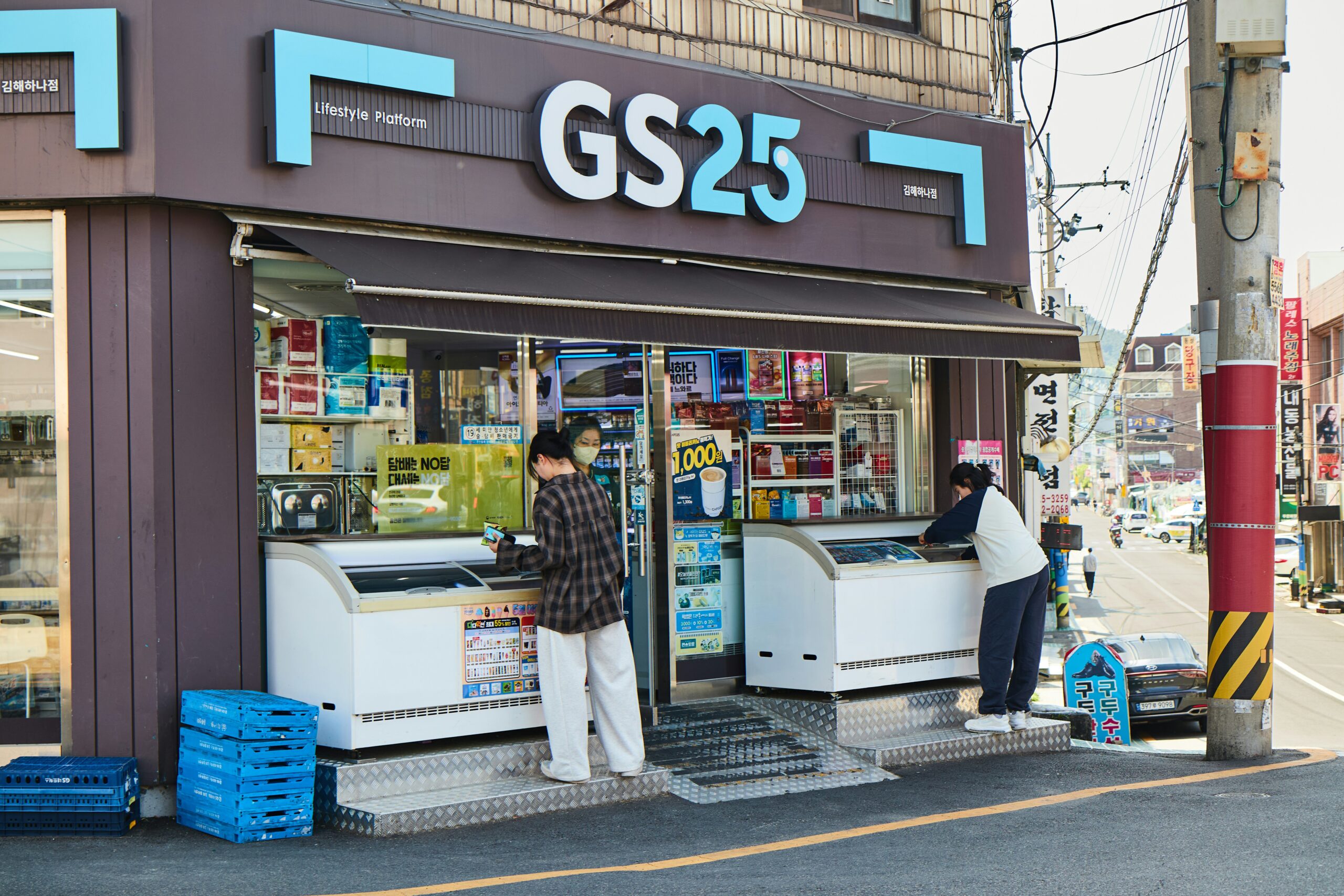
The FMCG industry moves faster than almost any other sector. Consumers buy food, beverages, personal care products, and household essentials every day. Because these products are consumed quickly, companies must continuously replenish stock while maintaining product availability across thousands of retail locations.
Today, the challenge has become even greater. Many FMCG companies are investing heavily in viral marketing strategies that can instantly boost brand awareness and drive demand. A successful campaign can cause sales to surge within days. But without effective inventory management, companies risk stockouts that disappoint customers or overstock situations that increase storage costs and waste.
So how do the world’s leading FMCG companies maintain product availability while operating on a global scale?
Table of Contents
ToggleTop 10 FMCG Companies Leading the Global Market
According to Industry Research, the following companies are among the most influential global FMCG players. Together, major FMCG brands control a significant portion of branded retail shelf space worldwide.
1. Nestlé
Nestlé holds approximately 8–10% of global FMCG market influence and operates in more than 185 countries. The company is best known for Nescafé, KitKat, Maggi, Purina, and infant nutrition products. Its broad distribution network and strong food portfolio make it one of the largest FMCG companies in the world.
2. Procter & Gamble (P&G)
P&G generates more than USD 80 billion in annual revenue and owns globally recognized brands such as Pampers, Gillette, Tide, and Head & Shoulders. The company is a market leader in household and personal care products.
3. Unilever
Operating in over 190 countries, Unilever manages brands including Dove, Lifebuoy, Sunsilk, Knorr, and Magnum. The company accounts for roughly 7–8% of global FMCG market influence.
4. Johnson & Johnson (J&J)
Although primarily known for healthcare products, J&J also owns consumer brands such as Neutrogena, Aveeno, and Listerine. The company remains one of the world’s largest consumer product manufacturers.
5. Mondelez International
Mondelez dominates the global snacking market through brands such as Oreo, Cadbury, Toblerone, and Ritz. The company generates over USD 35 billion in annual revenue.
6. Beiersdorf
Known for NIVEA, Eucerin, and Labello, Beiersdorf has built a strong position in personal care and skincare products worldwide.
7. Arla Foods
Arla Foods is one of the world’s largest dairy producers, supplying milk, cheese, butter, and dairy-based products to global markets.
8. Almarai Company
Almarai is the leading food and beverage company in the Middle East, specializing in dairy, poultry, bakery, and beverage products.
9. Samsung Consumer Electronics
While not a traditional FMCG company, Samsung’s consumer electronics division serves high-volume consumer markets with products that require large-scale inventory and supply chain management.
10. Olayan Group
Olayan Group operates across multiple consumer sectors and distribution networks in the Middle East, supporting various FMCG brands throughout the region.
How Top FMCG Companies Control Their Global Supply Chain
Managing a global supply chain requires balancing production, warehousing, transportation, and retail demand.
Leading FMCG companies typically rely on:
- Real-time inventory monitoring
- Demand forecasting models
- Automated warehouse operations
- Multi-country distribution networks
- Data-driven replenishment systems
Many global brands have already adopted AI-powered forecasting and analytics to improve planning accuracy. By analyzing historical sales, seasonal trends, promotions, weather patterns, and market demand, AI helps companies optimize inventory levels while reducing stockout and overstock risks.
The Biggest FMCG Challenge: Shelf Life Management
One of the most critical aspects of inventory management is managing shelf life.
Unlike many industrial products, FMCG products have limited selling periods.
Food and beverages generally have the shortest shelf life and require strict inventory rotation.
Personal care and household products typically have longer shelf lives:
- Shampoo: around 24–36 months
- Liquid soap: around 24–36 months
- Laundry detergent: around 12–24 months
The exact duration varies depending on formulation, packaging, and storage conditions.
For consumer electronics, the challenge is different. Electronic products do not expire, but they can experience component degradation, battery deterioration, and technological obsolescence when stored for extended periods.
As a result, inventory managers must carefully balance stock levels to avoid waste, markdowns, and lost revenue.
AI-Powered Inventory Management Solutions
Modern inventory management solutions increasingly rely on artificial intelligence to improve visibility and decision-making.
GITS.ID delivers AI-powered inventory management solutions that help FMCG companies optimize stock levels, improve forecasting accuracy, and enhance supply chain efficiency.
1.Predictive Analytics for Demand Forecasting
Using machine learning, predictive analytics analyzes historical sales data, seasonality, promotions, and market trends to estimate future demand.
This helps companies:
- Plan production more accurately
- Optimize inventory levels
- Improve stock rotation
- Reduce stockout risk
2. Warehouse Monitoring with Computer Vision
Computer vision technology can monitor warehouse conditions and inventory availability in real time.
The system helps identify:
- Inventory levels
- Product placement
- Stock discrepancies
- Operational inefficiencies
3. Shelf Life Calculator
A shelf life calculator helps businesses estimate how long products can remain in warehouses and retail stores before quality concerns arise.
The system can also support promotion planning by identifying products that may require accelerated sales strategies before reaching the end of their optimal selling period.
Key Benefits of AI Inventory Management
- More Accurate Demand Forecasting
AI analyzes large volumes of data faster than manual processes, helping companies make better forecasting decisions.
- Better Supply Chain Control
Improved visibility across the supply chain helps reduce both stockouts and overstock situations.
- Smarter Restocking Decisions
Businesses can determine the right replenishment timing based on actual demand signals.
- Reduced Human Error
Automation minimizes manual data-entry mistakes and improves inventory accuracy.
- More Effective Marketing Strategy
AI can identify slow-moving products and recommend the optimal timing for discounts, promotions, or marketing campaigns.
Future-Proof Inventory Management for FMCG Companies
As consumer demand becomes increasingly unpredictable, effective inventory management is no longer optional. The world’s leading FMCG companies combine strong supply chain operations, advanced analytics, and data-driven decision-making to maintain their competitive advantage.
AI-powered inventory management solutions enable FMCG companies to forecast demand more accurately, manage shelf life more effectively, and optimize inventory across the entire global supply chain. Companies that embrace these technologies will be better positioned to reduce waste, improve profitability, and respond quickly to changing market conditions.
Ready to Optimize Your Inventory Management?
Discover how GITS.ID’s AI-powered inventory management solutions can help FMCG companies improve demand forecasting, monitor inventory in real time, and maximize shelf life performance.Contact GITS.ID today and start building a smarter, more efficient supply chain with AI.